Antique moving is rarely stressful because of the distance. It is stressful because one small mistake can undo years—sometimes generations—of care. A carved sideboard from the 1800s can be damaged within seconds, not because it was dropped. But because it was lifted the wrong way. Tilted at the wrong angle. Or placed under silent pressure during transit.
An antique dining table doesn’t fail dramatically. It fails quietly. A joint loosens. A leg twists. A surface develops a crack that wasn’t there before. Often, the damage isn’t noticed until days later. And in most cases, it happens because the piece was handled like modern furniture.
That’s why choosing fragile movers matters. Not because antiques are “delicate. But because they react differently to pressure, movement, and time. Here explains what expert care and secure handling actually mean during antique moving. And how these special movers reduce risk through a thoughtful process. It’s not just empty claims.
How Fragile Movers Read an Antique Before Touching It
The first sign of professional care is not speed. It’s a pause. Experienced fragile movers take time to study an antique. Before they touch it. They look for signs that don’t always stand out:
- Joints that appear stable but have loosened with age.
- Decorative trims that quietly carry weight.
- Old repairs that changed how the piece balances.
- Wood that has dried & hardened over the decades.
A 19th-century cabinet may look solid. But flex when lifted from the base. A mirror might seem glass-heavy. Yet the real stress sits in the frame. These observations shape every decision that follows. How the item is lifted. How many people are involved? And which direction it should travel. This quiet assessment is what separates fragile movers from general handlers. It’s careful, deliberate. It’s essential.
Secure Handling Is About Pressure, Not Just Padding
Padding helps. Pressure control protects.
When antiques are wrapped too tightly, old joints compress. When wrapping is too loose, friction and movement increase. Fragile movers aim for balance. Enough support to stabilise the piece. Without forcing it into a rigid shape it was never meant to hold.
Secure handling focuses on:
- Supporting natural stress points instead of fighting them.
- Keeping antiques level to avoid internal strain.
- Avoiding grips that concentrate force in one spot.
A carved chair leg, for instance, often breaks not from impact, but from tension travelling through the frame during lifting. Fragile movers adjust their grip constantly. All to prevent this kind of silent damage.
How Fragile Movers Control Movement During Transit
Antiques are often safest when they’re being carried. And most vulnerable once they’re loaded.
Inside a vehicle, vibration and small shifts add up over time. These movers manage this risk by planning placement. Before loading begins. Items are positioned based on balance, not just convenience. Heavier pieces are kept from transferring momentum. Gaps are eliminated, so nothing slides or tips.
A grandfather clock is never treated as a single object. Each component is stabilised, so movement in one area doesn’t stress another. This approach doesn’t come from a checklist. It comes from experience. A fragile moving company understands that transit damage usually isn’t caused by impact. It’s caused by repetition.
Lifting Technique Reveals Real Experience
Antiques rarely fail because they’re heavy. They fail because they’re uneven.
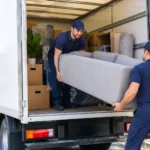
Many antiques carry weight differently due to age, design, or past repairs. Lifting them requires coordination, clear communication, and patience. Fragile movers move together. Adjust instantly. And never rush. Especially through narrow doorways or staircases.
One uneven lift can introduce twisting that weakens joints permanently. That’s why antique moving often looks more structured & precise. It’s meant to be. At Moving Champs Canada, antique handling is treated as a shared process. Every movement is discussed before it happens. So there’s no need for quick, risky decisions mid-lift.
Placement Demands Equal Precision
Arrival doesn’t mean the danger has passed. In many cases, it’s the final test. Placing an antique down too quickly, on an uneven surface. Or, before it adjusts to temperature changes can cause lasting issues. Fragile movers take time to:
- Re-level items before releasing full weight.
- Let materials settle before unwrapping.
- Check stability before stepping away.
This stage is often rushed, but it shouldn’t be. Secure handling includes knowing when to slow down.
Antique Moving Demands a Different Mindset
Anyone can say they handle antiques. What matters is how they respond all the way when things don’t go as planned. Doorways turn out tighter. Floors slope. Light changes depth perception. Fragile movers stay calm, reassess. And adapt without forcing a solution. They change grip. Adjust angles. And slow the process when needed. A fragile moving company earns trust by showing control in uncertain moments. Not by repeating rehearsed reassurances.
In regions where the term fragile removalists is commonly used, expectations are clear. Care is not optional. Antiques deserve respect, patience, and planning. That mindset is shared by such movers. The goal isn’t get it done quickly. It’s preservation. Moving Champs Canada works with this understanding by keeping antique moves methodical and communication-led. Decisions are explained clearly. So owners know exactly how their pieces are being protected.
The Real Benefit of Expert Care
The true value of working with fragile movers isn’t just safe delivery.
It’s knowing:
Why is each step taken
How risks are managed along the way.
That your antique is treated as irreplaceable.
That clarity brings peace of mind.
If you’re planning an antique move and want guidance shaped around real handling challenges, Moving Champs Canada offers a careful, experience-led approach focused on protection rather than speed.
If calm, informed antique handling from start to finish is what you are looking for, speak with specialists who understand its value. Connect over a call +1-6479322202 or email info@movingchamps.ca & unlock the best fragile movers service!